Pindrop Press
Welcome to Pindrop Press, an independent poetry publisher based in Glasgow with its editorial headquarters in France. The press was founded in 2010 and taken over by Sharon Black in 2016.
"Pindrop Press [...] have developed a well-deserved reputation for high value production and careful choice of poets" – Patrick Lodge in The High Window, November 2023.
Pindrop's mission is to publish poetry that is exciting, fresh and well-crafted.
If you would like to purchase any Pindrop books, please visit the Bookshop.
News
* Pindrop is delighted to announce the publication of two fantastic new collections:
The Overview Effect by Emily Wills is "an original and highly engaging book of poems in six parts that take us from school rooms to hospitals, sketchbooks to armchairs, and from beaches and coastlines to wartime city streets. Poems that are autobiographical beautifully explore the geology of place, and the genealogy of parents and family from youth to old age." (Paul Stephenson)
A Little Bridge by Alex Josephy contains bridges in many guises. They span gulfs between places, times, and even ways of understanding the world. They may evoke longing for what seems lost or unattainable. Can language itself become a bridge? Always curious, Josephy and the characters who walk beside her are constantly striving to connect. The difficulties and the joys of making links across cultures are interwoven with ventures into worlds beyond human experience. These are poems where nothing can be taken for granted, but Josephy's little bridges hold out hope, celebrating the art of the just about possible."
* The permanent installation of a poetry trail featuring poems from Sujatha Menon’s 2025 collection Microscopia has now been unveiled at Warwick University. Fourteen poems from the book are located across Warwick’s campus, including the ancient bluebell woods of Tocil Wood. The trail invites visitors to experience poetry in the natural world while engaging with research from the university's Life Sciences faculty in a fresh and immersive way.
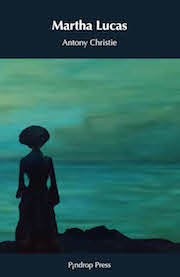
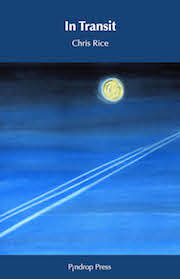
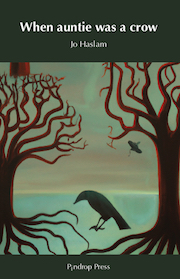
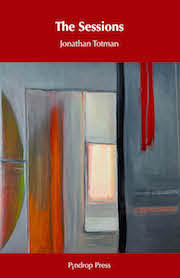
* Check out our latest poetry titles, all available from the online Bookshop:
Newsletter
A short newsletter is sent out 4 - 6 times a year. If you would like to be added to the mailing list, please click here.
|